Ivan’s Journals
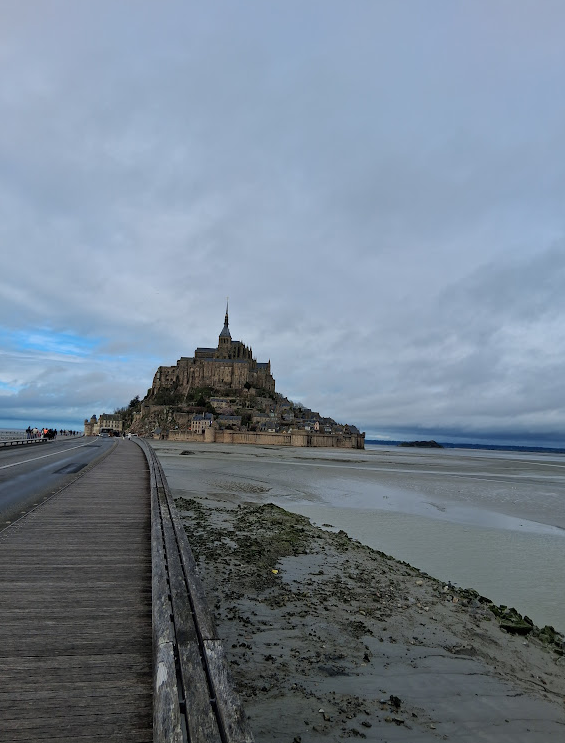
Mont Saint-Michel
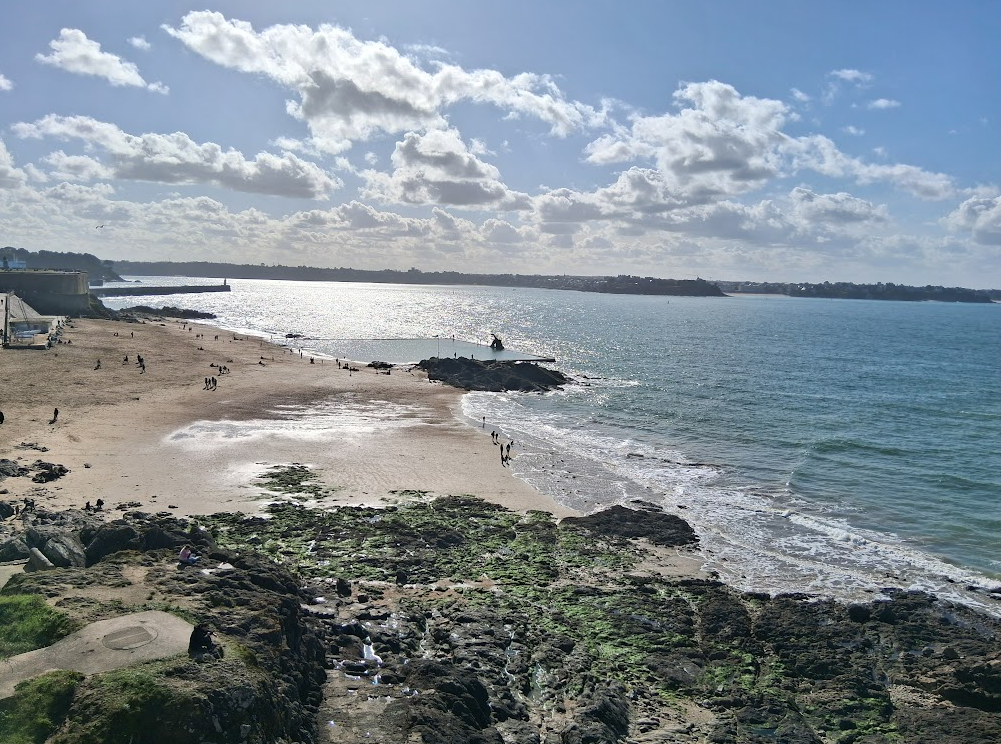
St. Malo
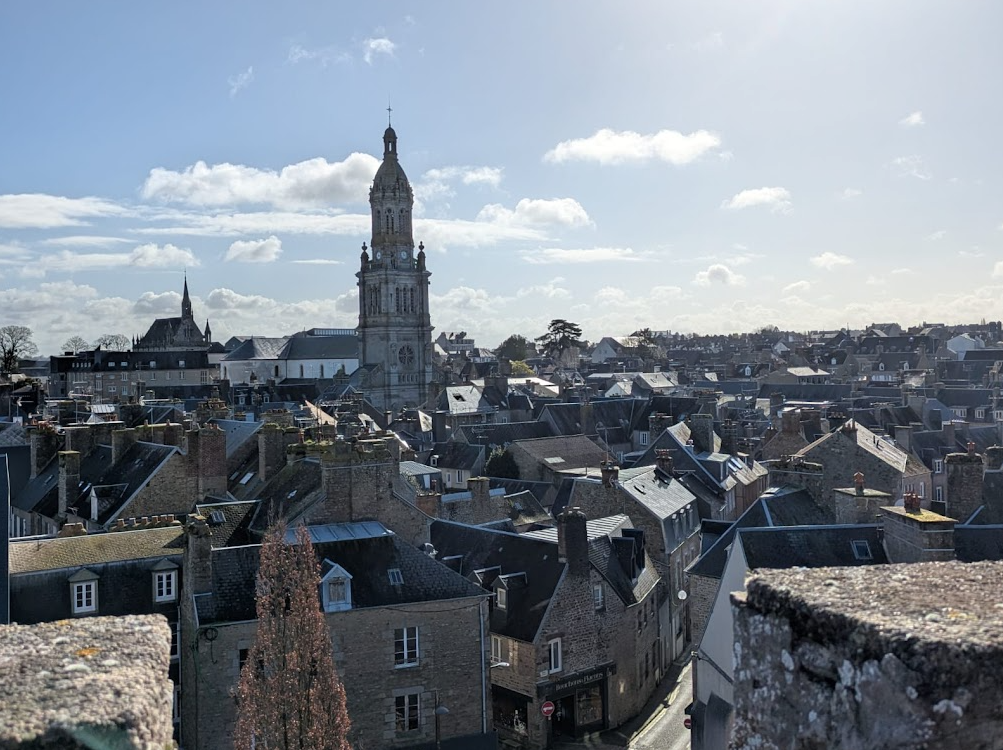
Avranches
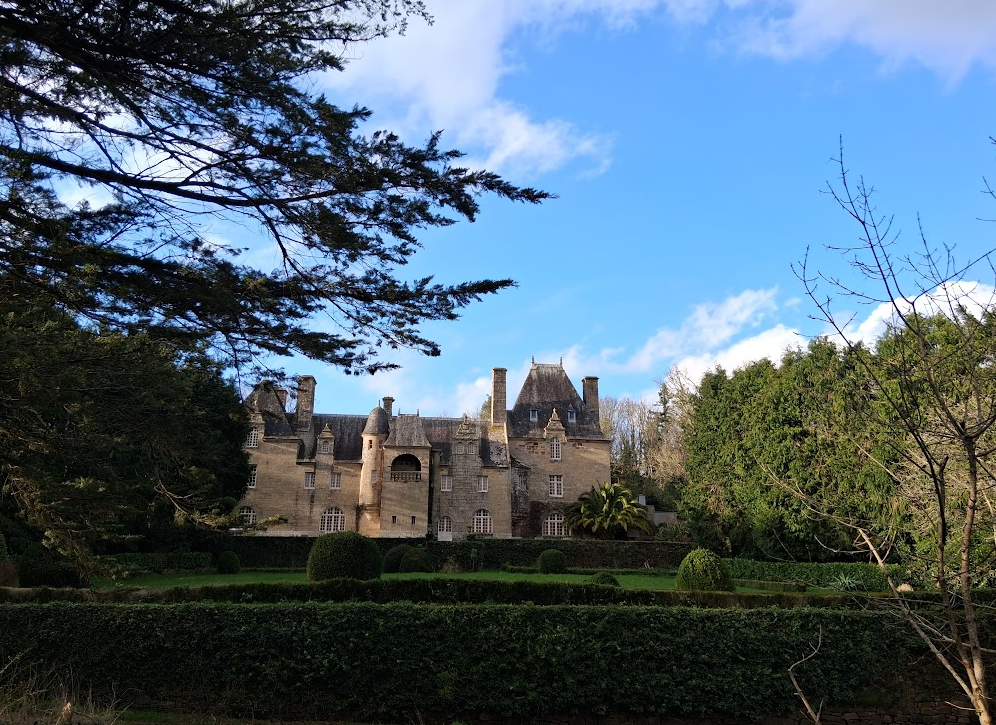
Castle on a local trail
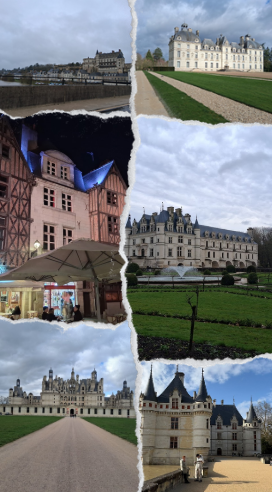
Tours + Castles
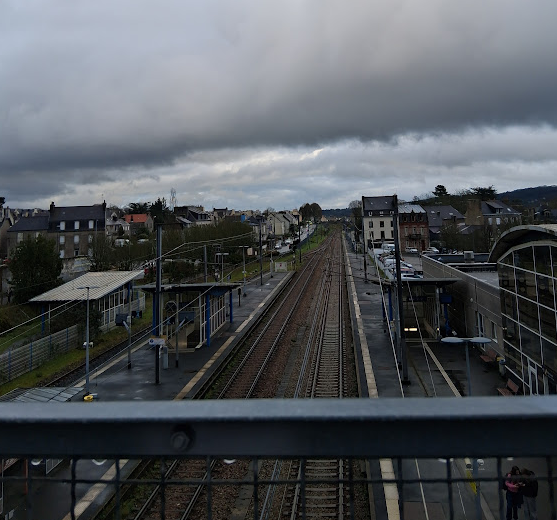
Train station
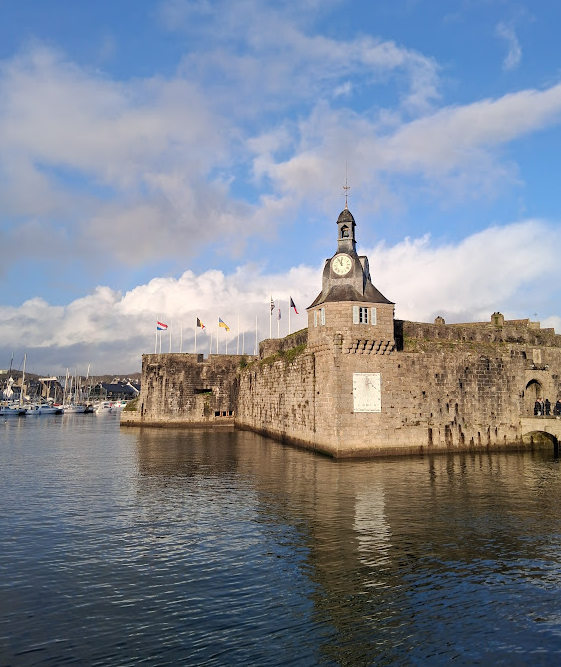
Concarneau
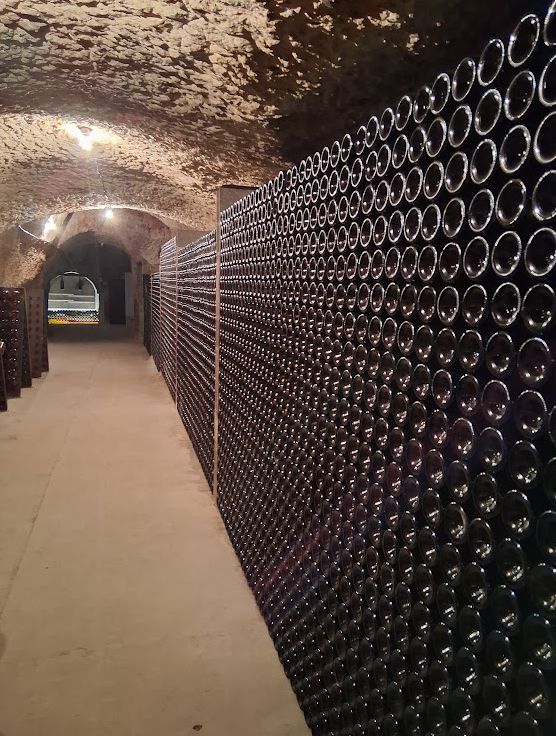
Wine cave
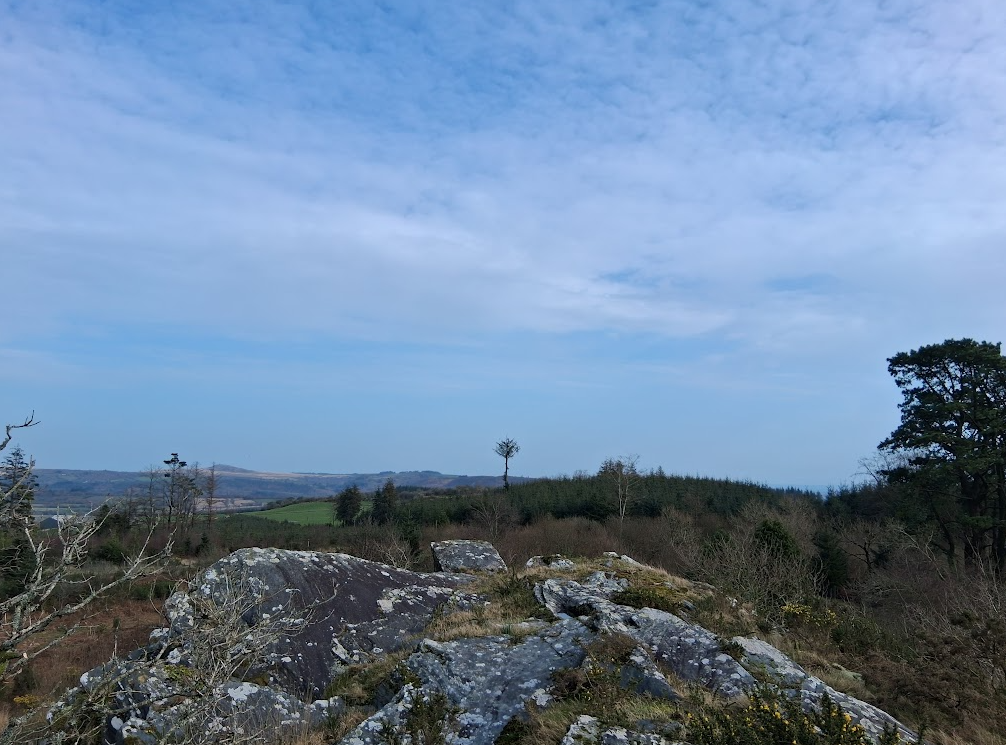
Arrée mountains
March 17, 2026
Castles, Castles, Castles
There is nothing more blissful than taking in the sun’s rays after some time under the weather. Instantly, the vibes shifted into a calming joy, as if in perfect harmony with the world. I truly cannot express how lucky I feel to witness a clear blue sky. The community comes together, and spring is in the air. During my trail walks with friends or family, one can see the blue sea and green fields while feeling the refreshing sea breeze. It all combines to produce great conversations and funny stories. On one occasion, my host family took me along a trail where we saw lights turning on in the distance. They explained that it was part of the military base responsible for housing the country’s submarines equipped with nuclear warheads. This brings me to my next point: France is a nuclear-powered country. It generates most of its energy through nuclear power, and it has been interesting to observe the geopolitical implications of these aspects. Talking about power and its distribution, the French have some of the best transportation systems in the world. Trains here are always punctual, extensive, and faster than any car or highway travel. On my way to school, I pass through a train station after taking a bus that serves students in the mornings and afternoons and the general public at other times. Even carpooling is riding high thanks to government regulations and incentives. To reduce emissions, people can now ride with friends in a system that functions like a free Uber service. There are even designated carpool parking areas and lanes for carpool vehicles. At some point, school vacations ended, and I passed the halfway mark of my exchange. It’s disorienting to contemplate that I won’t be here in a few months or that I actually have two separate lives—one “here” and another “there.” It’s awe-inspiring; it’s sublime. Thanks to my Rotary President and his wife, I was able to visit Tours and explore several castles during the break. The city, located roughly in the center of France, has a substantial student population and features buildings dating back to the Middle Ages, many of which have been converted into restaurants in the historic city center. As we traveled from our region into the Loire Valley, we noticed how the landscape changed to flatlands dotted with white sandstone buildings topped with red roofs. The castles were all grand and imposing, and it took us several days to see them all—both inside and out. During the trip, they were also kind enough to take me to visit the typical wine caves used to age the region’s wine, as well as to explain the process of bottling and storing it. Vacations here are great, even adults receive more time off. Workers are entitled to five weeks of paid vacation, not including public holidays. While this policy boosts productivity during working hours, it also has some drawbacks, such as longer school days and an annual national budget debate. I’ll let you decide which you prefer. At school, I’ve had the opportunity to try my hand at rock wall climbing, volleyball, and even salsa dancing during PE and add ons. Culturally, I have noticed several distinguishing factors between the two countries. Notably, friendships here tend to be smaller but more enduring, taking time to develop. Among my friends and host siblings, I get a comic book mentioned (BD) at least daily—usually Asterix, which features a brave Gaulish soldier holding off the conquering Romans in a tiny village. On the culinary front, I have been discovering new dishes like raclette and raw shellfish. To clarify, raclette is a dish made with melted cheese poured over potatoes, meats, onions, and pickles. It’s pretty awesome, and as a bonus, you get to melt the cheese and cook the meats yourself using a small grill with your family. During my travels with my host family, they took me to see Mont Saint-Michel, Normandy, and Saint-Malo. As we traveled, the scenery changed once again. This time, the flat land matched that of the valley but horses and sheep populated the fields and the buildings were constructed from thick grey stones with small windows and rounded arches at the entrances. Mont Saint-Michel was immense. I think of it as an elegant church city on top of a massive rock, surrounded by water at high tide. It makes you wonder how humans were able to build such structures, especially in those times. However, with such prestige comes disputes. Many Bretons debate that the site actually belongs to Brittany due to its proximity to the region and millennia-old border disputes. Now, though, it’s just a friendly rivalry. After our visit to the abbey, we toured St. Malo and its walled city. Seeing the ramparts for the first time was an experience in itself. Weathered to a silvery gray after fending off the ocean's forces, they now stood beside beaches that reminded me of summer in Florida, despite the February chill. In the distance, there were even a few castles on islands accessible at low tide. To conclude this journal, I thought it fitting to explain how my department is literally the end of the earth. Finisterre in French means, end + earth. Based on a French perspective, it truly is, and now I can say that I have traveled all the way to the tip of France.